What qualities does it take to become a good personal assistant?
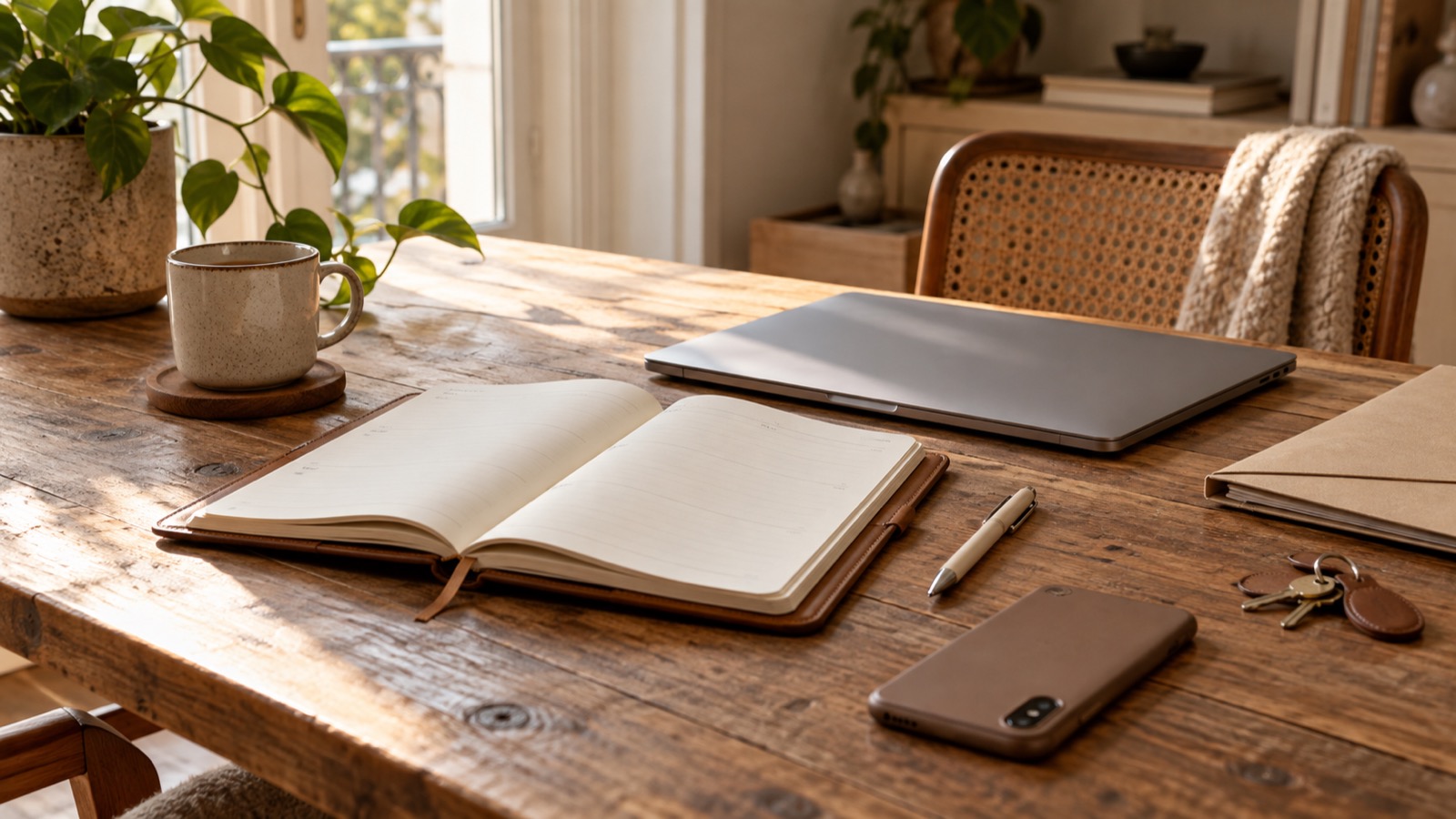
The personal assistant profession isn't just about managing a calendar, making bookings, or organising travel.
An assistant is directly involved in her client's daily life. She has to understand his pace of life, his habits, his preferences, and sometimes handle very personal information.
Technical skills matter, but certain human qualities really make the difference.
Being organised
A personal assistant may handle several requests at once: an appointment to reschedule, a trip to organise, a bill to check, or a service provider to contact.
She needs to prioritise what's urgent, meet deadlines, and keep a clear view of every matter.
Being organised isn't just about making lists. It's about making sure nothing is forgotten and that the client never has to keep chasing things up.
Knowing how to anticipate
A good assistant doesn't just execute a request. She also thinks about what might be needed next.
If she's organising a trip, she thinks about transfers, timings, the documents needed and the client's preferences. If she's scheduling an appointment, she checks for any conflicts in the calendar.
This ability to anticipate means the client no longer has to think about every detail.
Being discreet
A personal assistant may have access to confidential information about her client's family, travel, schedule, or certain administrative matters.
Discretion is therefore essential. She must know how to protect the information entrusted to her and remain professional in every circumstance.
Trust is built gradually, but it can be lost very quickly.
Knowing how to adapt
No two days are really alike. A priority can change, an appointment can be cancelled, or an urgent request can come in at the last minute.
A good assistant needs to stay calm, look for a solution, and reorganise priorities without becoming overwhelmed.
She also has to adapt to each client, since a method that works for one person won't necessarily suit another.
Being resourceful
A personal assistant doesn't always know the answer right away. What matters is that she knows where to look, who to contact, and how to compare different solutions.
When a client hands her a matter, above all he expects it to be taken care of. Curiosity, autonomy and the ability to find solutions are therefore essential.
Communicating well
The assistant needs to know how to ask the right questions, rephrase a request, and pass on important information clearly.
She also needs to understand the level of communication her client expects. Some people want to follow every step, while others only want to know the final result.
Communication tailored to the client avoids misunderstandings and makes for an easier relationship in the long run.
Understanding without judging
Stepping into someone's daily life requires listening and emotional intelligence.
A personal assistant has to understand her client's needs without judging his lifestyle, his organisation, or his priorities. Her role is to support him and offer suitable solutions.
Becoming someone people can rely on
The most important quality is certainly reliability.
The client needs to know that once a matter is handed over, it will be followed through to resolution. The assistant gradually becomes a trusted person, able to lighten his daily life and save him time.
At PALMERA, we look for assistants who are organised, discreet, autonomous and deeply service-oriented. We then support them so they understand our way of working and the specific requirements of personal assistance.
Want to join PALMERA as a personal assistant?
Tell us about your background, your experience, and what draws you to this profession. Find out how to apply.